Our commitment
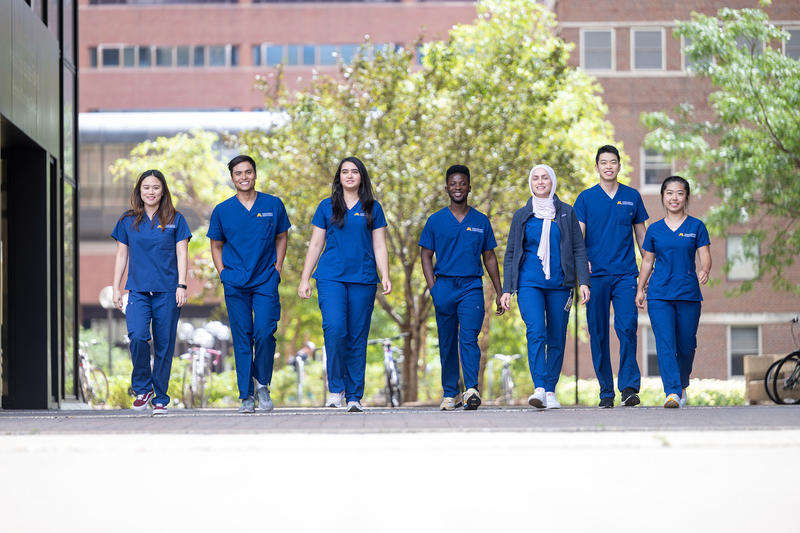
The University of Minnesota School of Dentistry assures that all persons shall have equal access to its programs, facilities, and employment without regard to race, color, creed, religion, national origin, gender, age, marital status, disability, public assistance status, veteran status, or sexual orientation. The commitment to inclusion is expressed in the School's mission to “provide oral health care to a diverse patient population in a variety of settings.” To fulfill this mission, the School of Dentistry strives to recruit, retain and graduate students from all communities, including from communities that have been historically underrepresented in the dental profession. The School of Dentistry aims to create a student body that is well-equipped to serve Minnesota’s diverse population, including its ethnic/racial communities, rural populations, and low-income populations. The vision is to educate future dentists who will return to their communities to provide care and increase access to oral health care in these vulnerable populations.
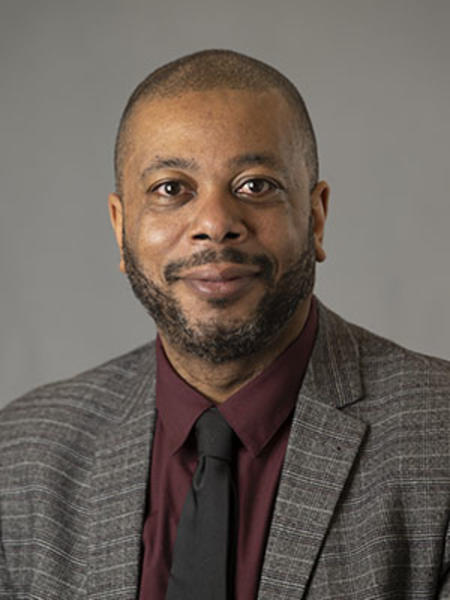
Joel D. Mixon, PhD
Director of Inclusive Excellence
15-141 Moos Tower
515 Delaware Street, Minneapolis, MN 55455
[email protected]
he/him/his
Inclusivity in action

The School of Dentistry’s Diversity, Equity and Inclusion Committee leverages the mission of the school to create and sustain an environment that values and fosters inclusion in teaching, research and community engagement.
The Diversity, Equity and Inclusion Committee serves as a venue for gathering data and channeling feedback to the appropriate parties within the school and the university, developing recommendations and prioritizing actions to improve the school’s climate.
Developed in 2012 as an ad hoc committee under the auspices of the Dean’s office, the committee held the original goal of creating and sustaining an environment that values inclusion in its purpose, people and programs. The committee has since transitioned to a standing committee with the following responsibilities:
- Assess and further the School of Dentistry’s progress in cultivating an inclusive community of faculty, staff and students committed to creating a humanistic environment.
- Develop strategies to improve the School of Dentistry’s cultural climate
- Improve the quality and quantity of the discussion and education on issues of inclusion in the School of Dentistry
- Serve as a resource on inclusive excellence for the school
Learn more about the work we do to ensure an inclusive and just community for all
What is Inclusive Excellence?
The University of Minnesota School of Dentistry promotes inclusion in our clinics, classrooms and offices.
Diversity
Diversity recognizes that each individual is unique with multiple dimensions of diversity that intersect, whether seen or unseen, and that society and community life benefit from the engagement of these differences regardless of culture, values, beliefs, race, ethnicity, language, age, sex, gender identity, sexual orientation, nationality, military veteran status, disabilities, religion, economic status, geography or other characteristics or ideologies. (Source: ADEA Access, Diversity and Inclusion Strategic Framework 1-1.)
Equity
Equity is the fair treatment, access, opportunity and advancement for all people, while at the same time striving to identify and eliminate barriers that have prevented the full participation of some groups. The principle of equity acknowledges that there are historically underserved and underrepresented populations and that fairness regarding these unbalanced conditions is needed to assist in the provision of adequate opportunities to all groups. (Source: University of Washington College of the Environment. Glossary – DEI Concepts.)
Inclusion
The practice of leveraging diversity to ensure individuals can fully participate and perform at their best. Inclusion is a shared responsibility of everyone within the community. An inclusive environment values differences rather than suppressing them; promotes respect, success and a sense of belonging; and fosters well-being through policies, programs, practices, learning and dialogue. (Source: ADEA Access, Diversity and Inclusion Strategic Framework 1-1.)