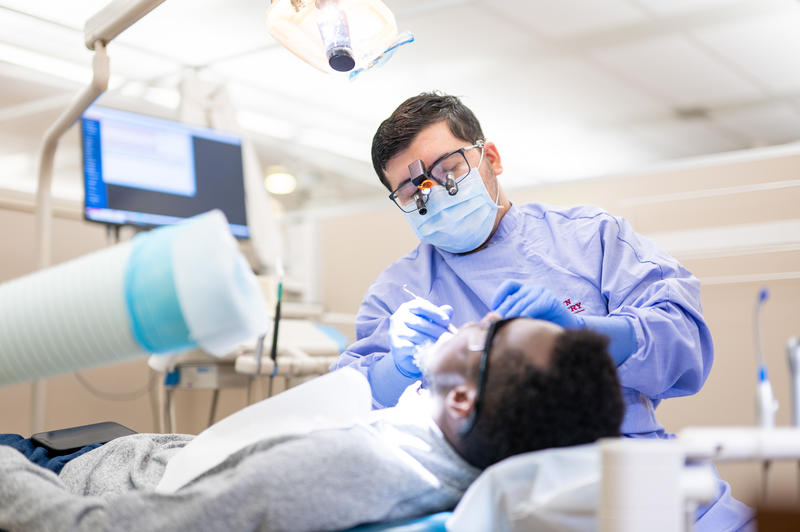
Excellent care starts here
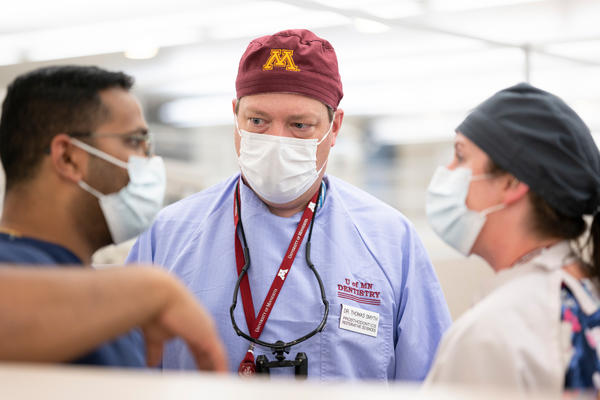
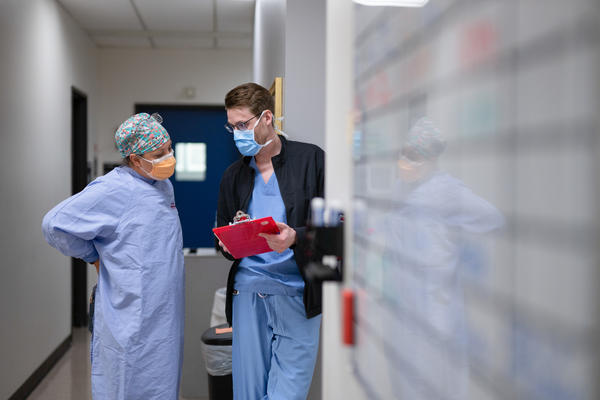
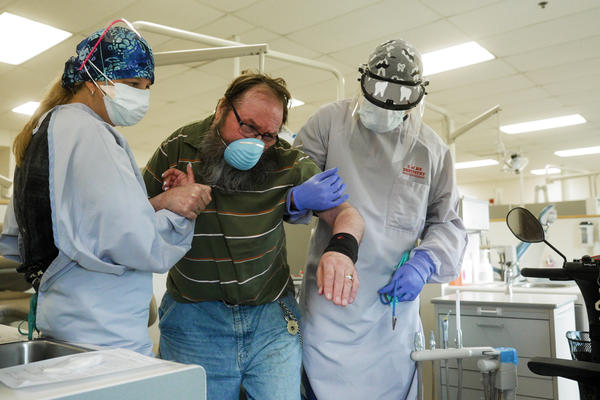
The University of Minnesota School of Dentistry Hospital and Special Care Dentistry (HCSD) Fellowship Program is designed to expand the scope and depth of graduates’ knowledge and clinical skills, enabling them to provide comprehensive oral health care to a wide range of population groups, with an emphasis on the medically, cognitively and physically challenged patients. Fellows will function as part of an interdisciplinary health care team that provides treatment in clinic and hospital settings.
The HSCD Fellowship is a 15 month, full-time program designed to develop the clinical expertise of dentists in caring for patients with special health care needs that generally have access barriers in traditional dental care settings and require alternative approaches from providers with additional training. A University of Minnesota Regents approved certificate will be awarded upon successful achievement of the program’s clinical and academic objectives. The program is housed in the Division of Hospital & Special Care Dentistry, Department of Developmental & Surgical Sciences at the University of Minnesota School of Dentistry.
Program at a Glance
15
months
3 to 4
fellows per year
Certificate
offered
Application Deadline
The deadline for applications is September 30, 2026.
Joining the Program
Apply
Prerequisites
Dentists must have a DDS/DMD degree, or an equivalent international dental degree, and be eligible for a full, limited, or resident's license in the state of Minnesota.
Preference will be given to those who have training and/or experience related to program goals (eg, previous GPR, AEGD, etc). Applications from individuals representing diverse communities are especially encouraged.
Curriculum
The clinical component of the program is supported by a didactic program that includes formal courses, seminars and lectures in both dental and medical topics, including, oral medicine, radiology, conscious sedation, history and physical examination, geriatric dentistry and practice management. Literature reviews and case presentation/treatment planning conferences are scheduled on a regular basis throughout the year.
The fellowship is of particular benefit to new graduates wishing to...
- expand their capacity to treat patients with special health care needs and complexities.
- become comfortable with more complex procedures to maximize general practice capabilities.
- prepare for other specialty/residency programs by gaining more clinical, medical and surgical experience with more complex patients.
- practice in rural or other settings where access to specialists is less available.
- pursue future career opportunities in hospital dentistry.
- practice in community clinics or agencies (eg, FQHCs, Indian Health Services) where enhanced general dentistry skills are valuable.
- prepare for leadership positions in Hospital/Special care dentistry, including teaching, program administration and research.
Contact the Program

Program Director
Natalie Jones, DDS
Clinical Assistant Professor
Division of Hospital and Special Care Dentistry
612-625-4777
[email protected]